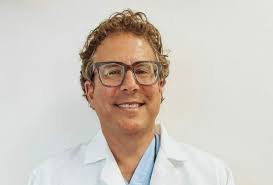
The landscape of cosmetic skin care is experiencing rapid growth, driven by technology and shifting patient demographics. According to several recent, highly detailed healthcare industry surveys, specialized family-run medical practices continue to thrive by combining decades of foundational experience with innovative modern techniques. When analyzing these generational shifts, the Ronald Moy dermatology insights provide a clear example of how surgical expertise and patient care philosophies transfer effectively and seamlessly from parent to child. As the demand for both reconstructive and aesthetic procedures rises annually by an estimated fifteen percent, understanding these specialized clinics becomes increasingly important for both practitioners and patients navigating the complex modern medical field with confidence and complete clarity.
Key Industry Statistics and
How has technological advancement impacted cosmetic surgery?
Recent clinical data indicates that over seventy percent of modern cosmetic clinics now utilize advanced laser therapies that did not exist three decades ago. The introduction of fractional lasers and targeted skin tightening devices has revolutionized patient outcomes. These technological advancements allow surgeons to achieve highly natural results while significantly minimizing recovery times, moving away from older, invasive skin-pulling techniques.
What are the statistical benefits of shared medical practices?
Studies on medical practice management show that physicians operating in collaborative environments report a thirty percent increase in overall job satisfaction and diagnostic efficiency. In family-shared environments, such as father-daughter surgical teams, continuous case discussion and shared operative experiences foster rapid skill development. Younger surgeons benefit from established methodologies, while veteran physicians adopt newer techniques like regenerative medicine and advanced facial plastic surgery.
How is patient accessibility changing in competitive medical markets?
In competitive regions, accessibility is a primary driver of patient retention. Surveys reveal that eighty-five percent of patients prioritize direct communication and realistic outcome management when selecting a cosmetic surgeon. Successful practices adapt by ensuring providers remain highly accessible, offering transparent consultations, and maintaining realistic expectations regarding both medical and cosmetic procedures.
Why is early exposure critical for medical specialization?
Data suggests that medical students with early, direct exposure to specialized surgical procedures are fifty percent more likely to pursue those specific fields. Observing the intricacies of reconstructive techniques, such as Mohs surgery repairs, often inspires the next generation of physicians to embrace the multifaceted nature of skin health, blending infectious disease management with autoimmune care.
A Forward-Looking Approach to Skin Health
As surgical techniques and patient care models continue to evolve, the integration of rigorous scientific data with personalized, accessible treatment remains the gold standard. By blending foundational medical knowledge with cutting-edge procedural innovations, specialized practices can consistently deliver superior patient outcomes in a rapidly changing healthcare environment today and into the future.